

Un puissant logiciel de compression et décompression de fichiers
En quoi consiste WinRAR 32-bit ?
Conçu par Rarlab, WinRAR 32-bit est un utilitaire permettant de compresser et de décompresser des fichiers. En utilisant un algorithme avancé de compression, il réduit sensiblement la taille des données, ce qui vous permet de les transférer plus rapidement. La puissance de compression du RAR est légèrement plus performante que celle de son principal concurrent, le ZIP.
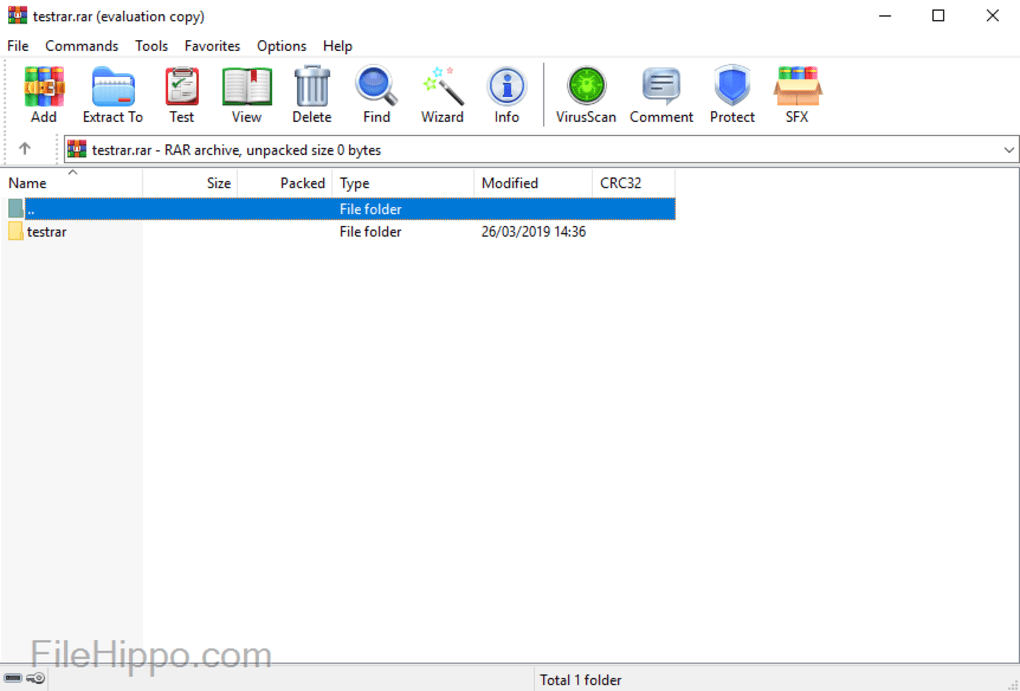
L'interface graphique du logiciel est assez agréable, et un mode "Wizard" utile aux débutants permet de faciliter le déroulement des opérations souhaitées. Les experts peuvent utiliser l'utilitaire en mode de ligne de commande.
Quels sont les formats pris en charge par WinRAR 32-bit ?
WinRAR 32-bit gère principalement son format propriétaire RAR. Les formats courants d'archives sont aussi supportés, tels que les fameux ZIP, 7Z, CAB, ARJ, GZIP, BZ2, ACE, UUE, ISO, JAR, TAR et LZH.
Publicité
Même si WinRAR 32-bit peut décompresser de nombreux fichiers, il ne peut compresser que dans les formats RAR, RAR5 et ZIP. Le choix de l'extension de compression vous est proposé lors de l'opération.
Comment utiliser WinRAR 32-bit ?
Procédez au téléchargement puis à l'installation de l'outil. Nous vous recommandons de laisser les options cochées par défaut. WinRAR 32-bit étant parfaitement intégré à Windows, un simple clic droit sur un fichier permet d'ouvrir un menu contextuel permettant d'effectuer immédiatement une compression (fonction "Ajouter à l'archive") ou une décompression (fonction "Extraire les fichiers...").
L'accès à l'interface générale de WinRAR 32-bit permet de sélectionner les extensions d'association ainsi que des options diverses, telles que l'apparence des menus contextuels ou la visualisation d'icônes caractéristiques. Il est enfin possible de fractionner toute archive en plusieurs volumes (fichiers ".part1", ".part2"...), selon le lieu de stockage envisagé.
Quelles sont les fonctionnalités avancées de WinRAR 32-bit ?
Vous pouvez protéger vos archives par mot de passe en utilisant le cryptage AES, un protocole de chiffrement performant. Vous pouvez aussi réparer des archives corrompues (qui refusent de s'ouvrir) et analyser les performances du PC au moyen du mode "Benchmark" si vos exigences d'utilisation sont élevées.
WinRAR 32-bit est en capacité de créer des archives auto-extractibles : les fichiers ainsi créés pourront être extraits par tous vos contacts sans qu'ils aient besoin d'installer l'utilitaire de décompression d'archives. L'utilisation du format RAR5 est judicieuse dans une configuration multi-cœur et permet de maximiser la compression de fichiers de taille initiale importante.
Quels sont les systèmes d'exploitation compatibles ?
WinRAR 32-bit peut être installé sur les ordinateurs fonctionnant avec des configurations 32 bit sous Windows XP, Windows Vista, Windows 7, Windows 8 et Windows 10. Il n'existe pas de version pour Mac, ni pour les appareils mobiles tournant sous les systèmes Android ou iOS.
Notez que le logiciel est proposé en version d'essai de 40 jours. Au-delà, il est requis d'acheter la licence. Cependant, malgré un rappel systématique à l'issue de la période d'essai, il reste possible de continuer à l'utiliser.
Quels sont les logiciels comparables à WinRAR 32-bit ?
De nombreux outils dédiés à l'archivage de fichiers existent sur le web. Ainsi, 7-Zip 32-bit est le principal concurrent de WinRAR 32-bit. Il a pour principaux avantages sa gratuité, le nombre d'extensions supportées et sa puissance de compression. Notez cependant qu'il ne peut pas compresser une archive en lui associant l'extension RAR.
Autre alternative, WinZIP est un utilitaire de compression très facile à prendre en main. Néanmoins, il est proposé en version d'essai uniquement. Enfin, PowerArchiver est un autre choix intéressant en raison de son interface agréable et de ses nombreuses fonctionnalités. C'est aussi un utilitaire pour lequel l'achat de la licence est requis après la période d'essai.
Un choix alternatif à 7-Zip
WinRAR 32-bit est un classique de l'archivage, dont les performances ne sont plus à démontrer. Il n'est néanmoins pas gratuit, même s'il reste utilisable après la période d'essai. Son interface est agréable et le mode "Wizard" est utile aux novices, mais il est principalement concurrencé par l'utilitaire similaire et totalement gratuit 7-Zip 32-bit.


